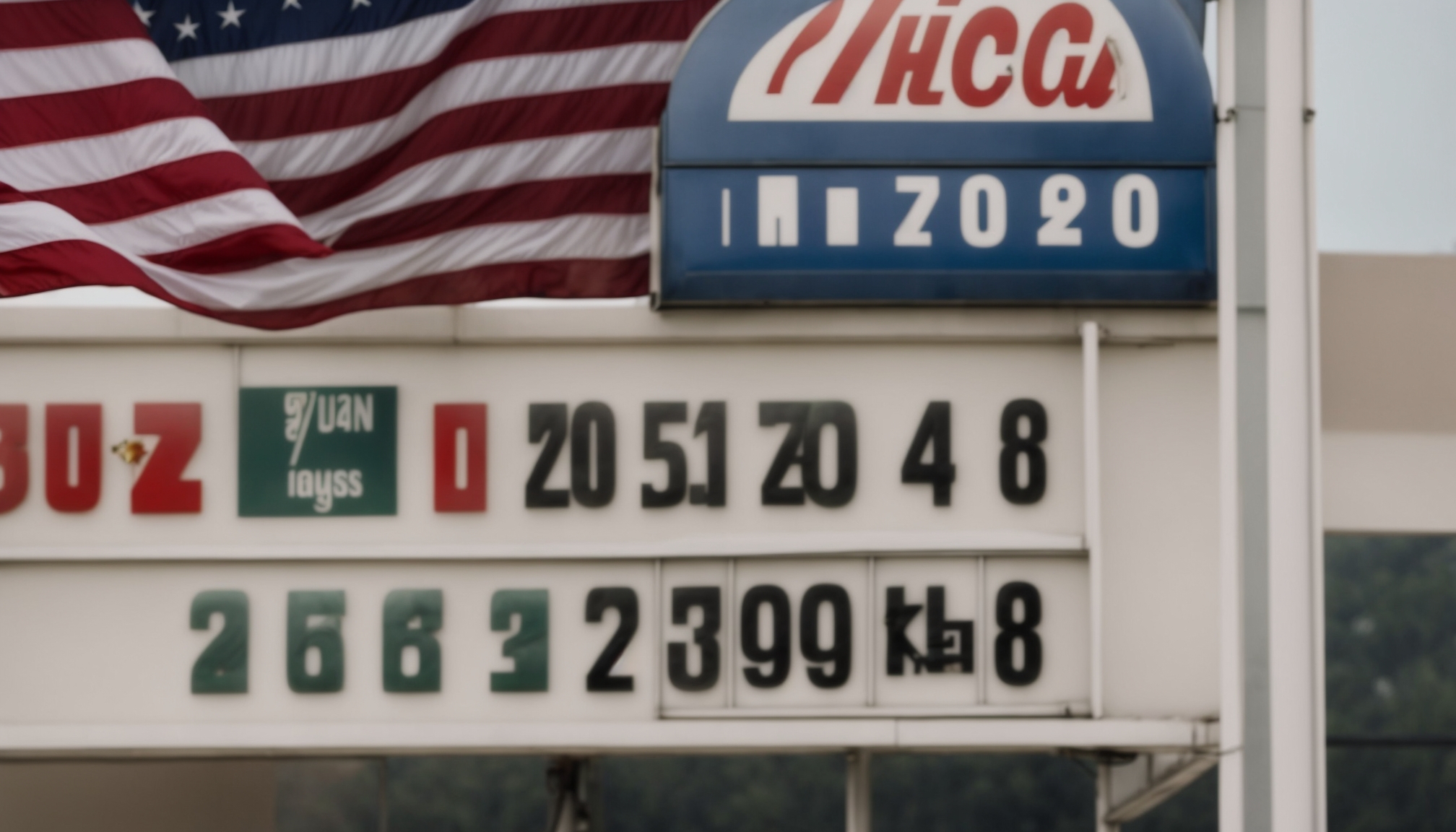
The American Party | South Carolina – Former President Donald Trump recently dismissed concerns over the highest gasoline prices in years, linking the issue to his broader plans to position the United States as the world’s most powerful nation. This highest gasoline prices dismissal has sparked discussions about the interplay between economic policy and geopolitical strategy.
Gasoline prices have surged to levels not seen in years, impacting consumers across the United States. Despite public frustration, Trump’s dismissal suggests a calculated perspective focused less on short-term economic pain and more on long-term national dominance. Analysts note that this stance aligns with his administration’s previous energy policies aimed at asserting U.S. independence and influence.
The highest gasoline prices dismissal may serve as a symbolic move reinforcing Trump’s desire to restore American supremacy. By downplaying fuel costs, Trump signals a willingness to endure economic discomfort to enhance military readiness, energy security, and global leverage. Such positioning reflects a worldview prioritizing geopolitical strength over immediate consumer concerns.
Read More: Energy Politics in the Age of Geopolitical Shift
Many Americans view the highest gasoline prices dismissal as out of touch with daily struggles. Rising fuel costs directly affect transportation, goods pricing, and inflation rates, intensifying pressure on policymakers. While Trump’s approach underscores his strategic priorities, it also emphasizes the complex trade-offs in wielding national power amid economic challenges.
The highest gasoline prices dismissal encapsulates a critical tension between geopolitical aspirations and domestic economic realities. As the United States navigates global competition, maintaining energy affordability remains essential for public support. Future policy decisions will likely need to reconcile these competing demands to sustain American influence effectively.
American Party SC - A recent report from the Pew Research Center shows that donations to minor US political parties…
American Party SC - In the 2022 midterms, third‑party candidates collectively garnered 1.3% of the national vote, enough to sway…
American Party SC - In the 2024 congressional race, three minor parties together captured 4.2% of the national vote, a…
American Party SC - In the 2022 midterms, third‑party candidates collectively secured 1.2% of the national popular vote, a modest…
American Party SC - Ralph Nader collected 97,488 votes in Florida in 2000, and George W. Bush carried the state…
American Party SC - Minor political movements in the United States face structural asphyxiation. Here, minor party business policies dictate…
