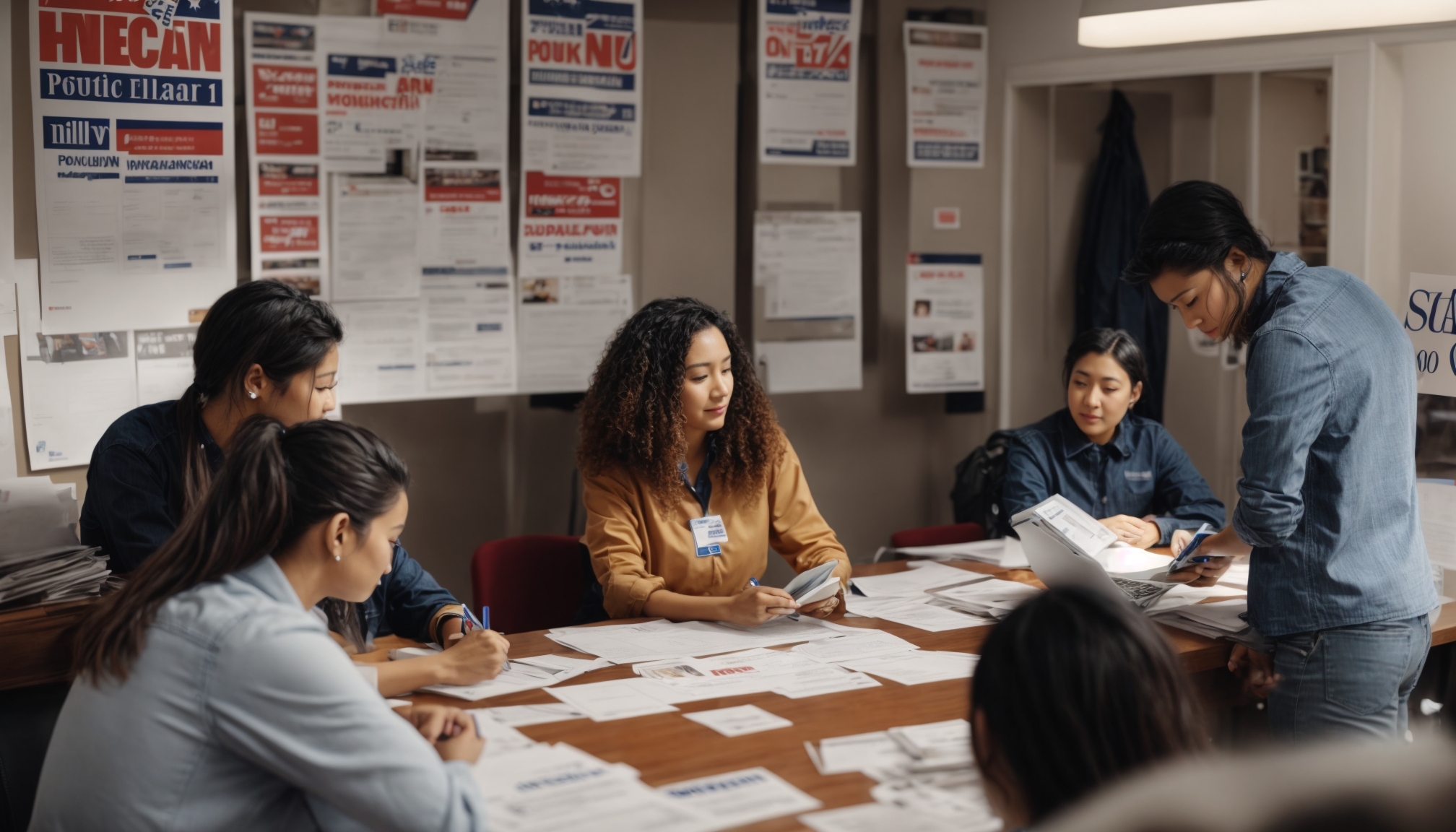
The American Party | South Carolina – The influence PACs small parties wield in local politics is growing, reshaping policy priorities and voter dynamics across numerous communities.
Political Action Committees (PACs) and small parties play a critical role in local politics by channeling resources, mobilizing grassroots support, and influencing election outcomes. Unlike major parties, these entities often operate in niche areas, giving voice to specific community concerns and interests.
The influence PACs small parties exert is often most visible through campaign financing. PACs pool funds from donors to support candidates or issues, amplifying their agendas in local elections. Small parties, meanwhile, can sway election results by endorsing candidates or running on platforms that major parties may overlook.
Another aspect of the influence PACs small parties have is their ability to energize voters who feel underrepresented. Grassroots campaigns often gain momentum through local PAC funding and the targeted appeals of small parties. This dynamic elevates issues that matter to local constituents, encouraging higher voter turnout and community involvement.
Despite their growing influence, PACs and small parties face hurdles including regulatory scrutiny and limited media exposure. The competitive dominance of large political parties can also marginalize smaller players. However, strategic alliances and innovative campaign methods continue to enhance their presence in local politics.
In conclusion, the influence PACs small parties have in local politics remains significant. Their financial contributions, policy advocacy, and voter mobilization efforts continue to shape election results and public policy at the grassroots level. As local politics evolves, the role of these groups will likely expand, making them key players in democratic processes.
